We aren't the cheapest shop in town
We've never tried to be. Since 1988 we've repaired cars the same way: OEM parts, the labor the job takes, and no skipped steps. That costs more than a shop that cuts corners. Below are the places where a lower quote usually saves its money.
1. Aftermarket parts instead of OEM
OEM parts come from the company that built your car. Aftermarket parts are copies made by other companies, and they're cheaper partly because they don't have to match the original as closely. A hood or fender that's slightly off can look fine the day it goes on. Over time the gaps can show, and on panels that hold sensors, a poor fit can throw off radar or camera aim.
If the written estimate doesn't say OEM, assume it isn't. Ask, and get the answer in writing.
2. Body filler where a panel should be replaced
Body filler has real uses. Smoothing a small dent before paint is standard. Filling a panel that's too damaged and should have been replaced is something else. Fresh paint hides the difference at pickup. Down the road, filler that's carrying too much can crack, and moisture gets underneath. Replacing the metal costs more because the part and the labor cost more.
3. Skipping frame measurement
If the car took a structural hit, the frame should be measured against factory specs before anyone talks about parts or paint. A frame that's out of spec can wear tires unevenly, pull the steering, and stress parts that weren't built to carry that load. These problems show up slowly, and by then it's hard to connect them to the repair. Ask whether the shop will measure the frame and show you the results before paint.
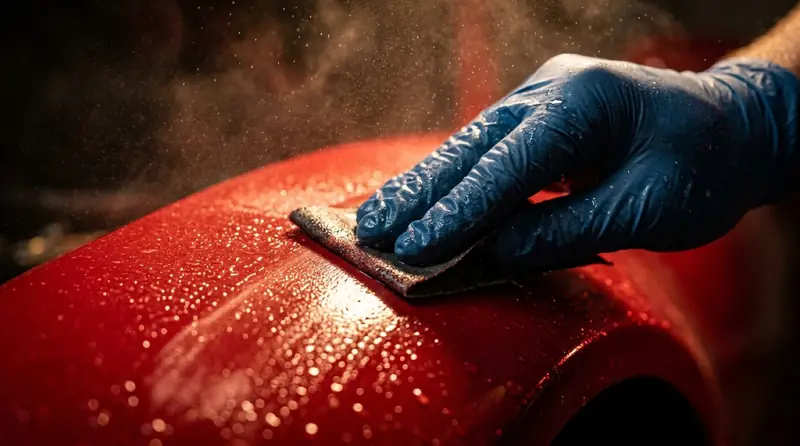
4. Single-stage paint instead of base coat and clear
Modern car paint is a color base coat with a clear coat on top. The clear gives depth and protects the color from the sun. Single-stage paint puts color and gloss in one layer. It's faster and cheaper, and it tends to fade and dull sooner, which in LA sun shows up quickly. The repaired panel starts looking flat next to the original paint around it.
5. Skipping ADAS recalibration
This is the riskiest cut on the list. Lane keeping, automatic emergency braking, adaptive cruise, and blind spot systems rely on cameras and sensors aimed at exact angles. When body parts around them are removed or replaced, that aim can shift, and recalibration with the right equipment is how it gets set back.
A shop that skips it won't necessarily tell you. The car drives normally and no warning lights come on. The problem shows up the moment the system needs to work.
Shorter list, same car
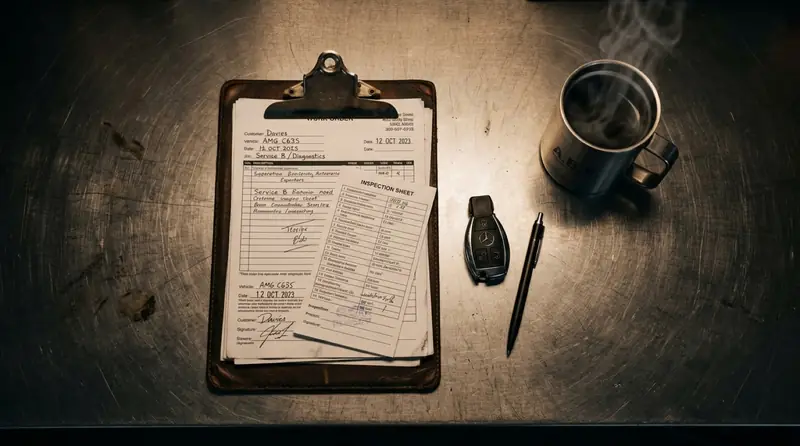
Collision estimates are built from published labor guides that list standard times for each step: removing a bumper, replacing a quarter panel, blending the panels next to a repair. Those times are the same across the industry.
Where quotes differ is in which steps are on the list. A cheap quote often gets lower by dropping lines, not by charging less per hour. The blend is gone. So are the frame measurement, the diagnostic scans before and after the repair, and the recalibration. At a glance it looks like the same job for less. Read line by line, it's less work on the same car.
Example: a Tesla Model Y rear bumper
Say a Model Y comes in after a rear-end hit. The bumper cover is damaged, a sensor mount is bent, and two parking sensors need replacing. The cheaper quote typically looks like this:
- Aftermarket bumper cover
- Labor to remove and install the bumper only, with no blending
- Single-stage paint
- Aftermarket parking sensors
- A basic alignment check
What the full repair includes
Our estimate on the same car lists more steps, and the price difference comes from these, not from margin:
- OEM Tesla bumper cover and OEM parking sensors
- Full labor from the published guide, including blending the panels next to the repair
- Base coat and clear, color matched to the car
- Diagnostic scans before and after the repair
- Recalibration of the rear camera and parking sensors
- A structural measurement to check nothing behind the bumper moved
When a cheaper quote makes sense
Sometimes the lower quote is a reasonable call. The damage may be purely cosmetic, on a panel with no structural job and no sensors nearby. Or the car is older and you plan to sell or trade it within the year, so a perfect paint match matters less. If you're paying yourself and decided looks matter more than how long the repair lasts, that's your decision to make. We'll tell you if your car falls into one of these cases.
When a cheap quote is a bad deal
In these cases the lower price tends to cost you later:
- The car is leased. At turn-in, the leasing company's inspection can catch non-OEM parts and bad paint blends, and you pay for them.
- It's your family's daily driver, and its safety systems need to work.
- The car has driver assistance features like lane keeping, adaptive cruise, emergency braking, blind spot monitoring, or surround cameras. Body work near those sensors means recalibration.
- You're filing an insurance claim. The insurer is paying for the repair, so a shop that cuts steps off the estimate is giving you less repair for the same claim.
What to ask the cheaper shop in writing
Before you sign anything, text or email these questions and keep the answers:
- Are all replacement parts OEM? If not, which ones are aftermarket?
- Will you measure the frame, and can I see the results before paint?
- Is the paint a base coat and clear system? What brand?
- Does the estimate include recalibration for every driver assistance system the repair affects?
- Do you scan the car's computer before and after the repair?
- What warranty do you give in writing, and for how long?
What you get at Western Ave Auto Body
We've been at 150 S Western Ave in Koreatown since 1988. We're I-CAR Gold Class, we use OEM parts, and every repair carries our 1 year / 10,000 mile workmanship warranty. We're a State Farm Direct Repair Program shop and Geico Drive-Thru approved, and we work with every other carrier. On insurance jobs we deal with the adjuster and the supplements, and you pay your deductible.
We speak English, Spanish, Korean, and Portuguese. If you already have another shop's estimate, bring it along when you come in for your free estimate so you can compare the two line by line.