How to File a Car Insurance Claim Without Getting Lowballed
You had an accident. You filed a claim. Then the insurance company sent you to a shop you've never heard of, quoted you a number that won't cover what's actually broken, or told you they'll only pay for aftermarket parts on a car you bought new two years ago.
That's not a mistake. That's the system working exactly as the carrier designed it.
We've been doing collision repair at 150 S Western Ave since 1988. In that time we've filed thousands of insurance claims across every major carrier. What follows is everything we tell customers before they make a single call to their adjuster.
What "Lowballing" Actually Means
Insurance adjusters are trained to open with the lowest defensible number. That word "defensible" is important: it doesn't mean accurate, it means they can justify it if you push back. Most people don't push back, so the opening offer becomes the final offer.
Lowballing in auto body takes three specific forms:
- Aftermarket parts substitution. Instead of specifying a genuine OEM fender or door shell, the estimate lists a Taiwan or South American aftermarket equivalent. These parts often don't fit as precisely, won't carry the OEM finish guarantee, and can affect structural integrity on safety-critical panels.
- Undercutting labor hours. Every repair operation has a published labor time in the estimating database (CCC, Mitchell, Audatex). Adjusters sometimes write below those times, counting on the shop to absorb the difference or the customer to walk away from the job.
- Denying supplements. Hidden damage shows up once the car is disassembled. A supplement is the shop's request to cover that additional damage. Some carriers routinely deny first supplements or delay them long enough that pressure mounts on the customer to accept the original number.
None of this is illegal. All of it is negotiable.
Your Rights as a Vehicle Owner in California
California Insurance Code Section 758.5 is short and worth knowing: your insurer cannot require you to use a specific repair shop. They can recommend one. They can tell you it will be faster or easier. They cannot make it a condition of your claim being paid.
You choose the shop. Full stop.
California law also requires that when an insurer specifies a non-OEM part, that part must be of "like kind and quality" to the original. If it isn't, the shop or you can dispute it. The insurer must disclose in writing when non-OEM parts are being used.
If the repair doesn't restore the vehicle to its pre-loss condition, the carrier owes you the difference. That's the standard. "Pre-loss condition" is the legal benchmark, not "functional enough to drive."
How to File the Claim: The First 72 Hours
How you handle the first three days shapes the entire settlement. Here's the sequence.
- Document the scene before you move anything. Wide shots, close-ups, all four corners of both vehicles, license plates, street signs. Video is better than photos. If there's a police report, get the report number on the scene; don't rely on getting it later.
- Report to your carrier first, not the other driver's carrier. File with your own insurance even if you're not at fault. Your carrier works for you; the other driver's carrier works against you.
- Write down the claim number before you hang up. Every subsequent call should open with that number. Claim numbers are how conversations get linked; without it you're starting from zero every time.
- Get an estimate from your chosen shop before the adjuster inspects the car. This is critical. See the next section.
- Do not give a recorded statement to the other driver's carrier without talking to an attorney first. Your own carrier's recorded statement is usually required by your policy; the adverse carrier's is not.
When you call to open the claim, use a version of this script:
"I'm calling to open a claim. I'd like the claim number now, and I want to confirm that I have the right to choose my own repair facility. I've already selected Western Ave Auto Body in Los Angeles. Please note that on the claim."
Stating your shop selection on that first call creates a paper trail. Adjusters are much less likely to redirect you after that.
Why the First Estimate Shapes Everything
Insurance adjusters anchor on the first number they see. If their drive-in estimate comes in at $1,800 and your shop then writes $3,200, the adjuster's posture is "why is this shop twice as high?" But if your shop writes $3,200 first and the adjuster comes in at $1,800, the question flips: "why is the adjuster cutting out half the damage?"
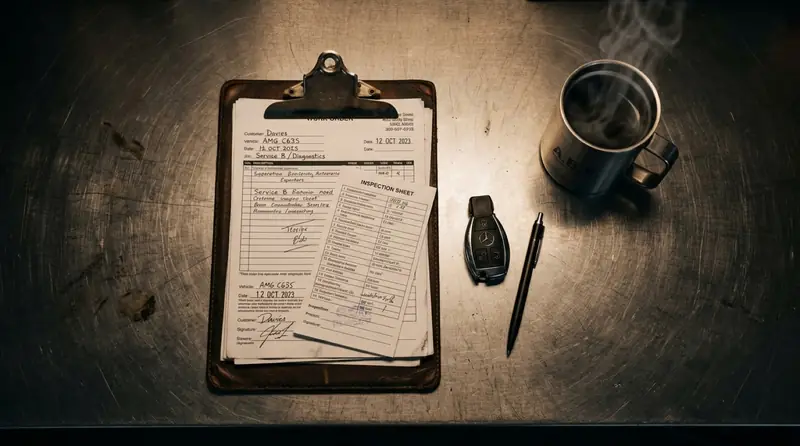
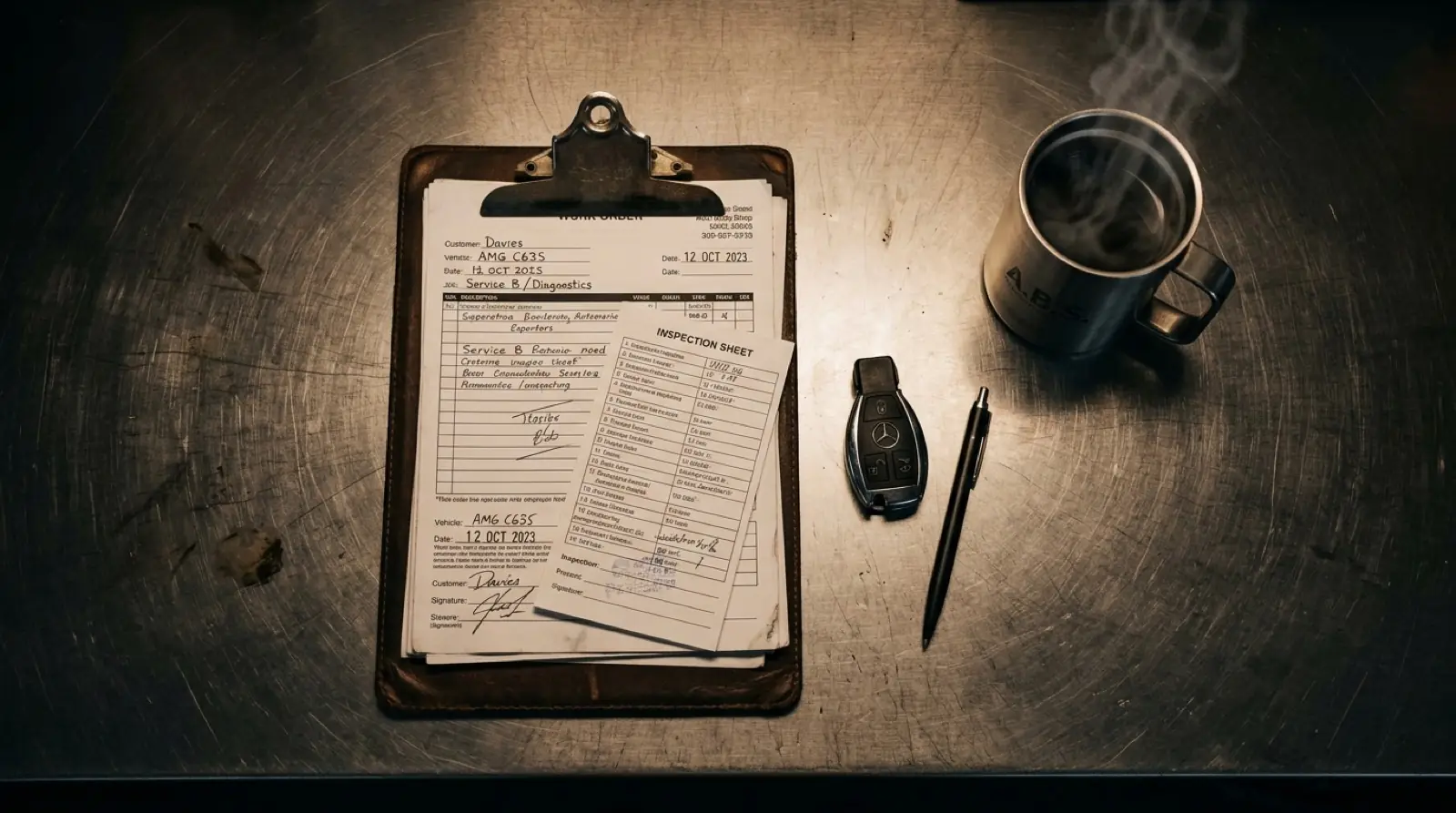
Bring the car to us before any adjuster inspection if you can. We write a thorough, operation-by-operation estimate using current OEM part pricing and published labor times. When the adjuster then writes their version, the negotiation starts from a documented baseline rather than from their opening low number.
The Adjuster Game: What They Push For vs. What You Actually Need
A field adjuster or drive-in appraiser writes an estimate fast. They're not being careless; they're being efficient in a way that favors the carrier. Here's what to watch for line by line:
OEM vs. Aftermarket Parts
On a vehicle less than three years old, or on any safety-critical structural component, aftermarket parts are almost never "like kind and quality" in any honest reading of that phrase. A genuine Hyundai door skin has a specific gauge steel, a specific e-coat process, and a fit tolerance specific to that vehicle line. An aftermarket door skin is built to a different spec.
If your estimate shows "AM" next to a part number, that's an aftermarket part. You can request OEM in writing and the carrier must either provide it or document in writing why they are not.
Frame and Structural Labor Hours
A frame pull on a front-end collision is not a one-hour job. Published labor times for structural repair run 8 to 20 hours depending on severity. If an adjuster writes two hours for frame work on a car that hit a wall at 35 mph, that number is wrong and we will supplement it.
Blend Operations
When we paint a repaired panel, adjacent panels need to be blended for color continuity. Adjusters sometimes omit blend operations entirely. A spot repair that doesn't blend looks like a spot repair. The standard is a repair you can't see.
When to Push Back on the Settlement
If the carrier's estimate is materially lower than ours, you have options beyond accepting it.
- Request a re-inspection. Ask the carrier to send a different appraiser or schedule a re-inspection at the repair facility rather than at a drive-in center. Adjusters who see the disassembled vehicle in the shop write more complete estimates.
- Escalate in writing to a supervisor. "I'm disputing this estimate and requesting supervisory review" triggers a different process than a verbal complaint. Put it in an email.
- Request OEM parts in writing. If the estimate specifies aftermarket parts, send a written request citing California Insurance Code requirements. The carrier must respond in writing.
- Use your policy's appraisal clause. Many policies include a binding appraisal process where both sides name an appraiser and an umpire resolves disputes. It's underused because carriers don't advertise it.
- File a complaint with CDI. The California Department of Insurance handles complaints at insurance.ca.gov. A complaint creates a formal record the carrier has to respond to. It costs nothing.
We handle supplement negotiations directly with the carrier on your behalf at no additional charge to you. We've been through this process enough times that we know which battles move quickly and which ones need the CDI behind them.
Why a DRP Shop Skips Most of This Fight
DRP stands for Direct Repair Program. When a body shop is a DRP partner for a carrier, the two have a standing agreement on labor rates, parts sourcing, and supplement authorization. That agreement cuts out most of the back-and-forth because the carrier trusts the shop's estimate as a starting point rather than fighting it.
We are a State Farm Select Service DRP partner and Geico Drive-Thru approved. If you have State Farm or Geico, bringing your car here means:
- The carrier accepts our estimate without a separate field inspection in most cases
- Supplement authorization is faster because we have an established relationship and dispute history
- You don't need to manage the carrier conversation yourself
- Rental authorization typically moves the same day
That's what DRP actually buys you: less friction at every stage of the claim.
Carrier Notes: What to Expect From the Common Ones
We accept every carrier. Here's what experience has taught us about the specific ones we see most:
State Farm
As a State Farm Select Service partner, we work directly in their system. Claims typically move fast, supplemental damage is handled within the existing work order, and customers rarely have to make more than one or two calls. If you're a State Farm customer, this is the smoothest path.
Geico
We're Geico Drive-Thru approved. Geico's Drive-Thru process means their appraiser can inspect the vehicle at our shop; you don't have to visit a separate Geico center. The process is quick once initiated. Request the Drive-Thru option when you open your claim.
Farmers
We accept Farmers on every claim. We are not a Farmers DRP partner, which means a Farmers adjuster will write an independent estimate and we negotiate from there. Farmers has historically pushed aftermarket parts on vehicles older than three years. Come in for a pre-adjuster estimate and plan on at least one supplement. We push for OEM; you will likely need to put your OEM request in writing to the adjuster directly. We'll help you draft it.
Mercury and AAA
Both are common in Los Angeles and both have reputations for slow supplement authorization. Mercury in particular tends to hold on cosmetic items like moldings and trim pieces that are required for a complete repair. AAA often dispatches an independent appraiser rather than a staff adjuster; independent appraisers sometimes write to a lower standard because they're billing per estimate. Document everything and expect at least two rounds of supplement review. We manage this process for you.
The Bottom Line
A lowball settlement doesn't mean you've been cheated by someone acting in bad faith. It means you're in a negotiation and the other side made the first move. The repair standards exist, California law exists, and supplement rights exist. You just have to use them.
We've been in Koreatown since 1988. We speak English, Spanish, Korean, and Portuguese. We are I-CAR Gold certified, State Farm DRP, and Geico Drive-Thru approved. We file supplements, fight for OEM parts, and we don't pass any of that cost to you. That's the job.
Bring the car in before the adjuster writes anything. That one move changes the entire conversation.
Frequently Asked Questions
Can my insurance company force me to use a specific body shop?
No. Under California Insurance Code Section 758.5, your insurer can recommend a shop but cannot require you to use one as a condition of your claim being paid. You have the legal right to choose any licensed repair facility.
What does it mean when the insurance estimate uses aftermarket parts?
Aftermarket parts are manufactured by companies other than the original vehicle manufacturer. California law requires they be of "like kind and quality" to the OEM part. You can request OEM parts in writing; the carrier must disclose in writing when and why non-OEM parts are being used. On newer vehicles or safety-critical components, OEM is generally the appropriate standard.
What is a supplement in auto body repair?
A supplement is a revised estimate submitted to the carrier after additional damage is discovered during disassembly. It's normal on most collision repairs because hidden damage is not visible at initial inspection. Western Ave Auto Body files supplements directly with your carrier at no extra charge to you.
What is a DRP shop and why does it matter?
A Direct Repair Program (DRP) shop has a standing agreement with a specific insurance carrier covering labor rates, parts standards, and supplement authorization. Western Ave Auto Body is a State Farm Select Service DRP partner and Geico Drive-Thru approved. For customers with those carriers, claims move faster and require less back-and-forth because the carrier already trusts our estimates. We accept all other carriers as well.
How long does the insurance repair process take?
Repair time depends on the extent of damage and parts availability, not the carrier. What the carrier controls is how fast they authorize the estimate and any supplements. State Farm and Geico claims we handle typically move within one to two business days on authorization. Non-DRP carriers may take longer depending on how many supplement rounds are needed.
Do you handle Farmers Insurance claims?
Yes. We accept Farmers on every claim. We are not a Farmers DRP partner, so a Farmers adjuster writes an independent estimate and we negotiate from there. We have experience managing Farmers supplements and will help you put OEM part requests in writing directly to the adjuster if needed.